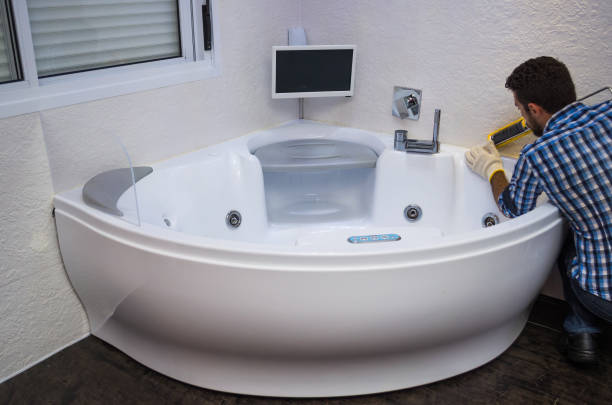
Creating an outdoor spa oasis adds both luxury and value to a property, but a successful installation requires careful planning, proper site preparation, and an understanding of local regulations. Whether the goal is year-round relaxation or a seasonal retreat, following best-practice guidelines helps ensure safety, efficiency, and long-term enjoyment. The following tips, compiled from the collective experience of leading hot-tub dealers in the Portland area, cover everything from site selection to final wiring checks, providing a clear roadmap for homeowners and contractors alike.
1. Site Selection and Layout Planning
Assess Sun Exposure and Wind Patterns
- Choose a location that receives at least 4-6 hours of sunlight daily to reduce heating costs.
- Identify prevailing wind directions; placing a windbreak (e.g., a fence or shrubbery) can improve thermal retention.
- Consider proximity to trees, while shade is beneficial, falling branches and root intrusion can cause damage.
Measure Clearances and Accessibility
- Maintain a minimum of 3 feet of clearance on all sides for maintenance access and code compliance.
- Ensure a level, stable surface that can support the spa’s weight when filled (typically 300-400″?lb/ft??).
- Plan for safe ingress and egress, including non-slip pathways and adequate lighting for nighttime use.
2. Preparing the Foundation
Concrete Slab vs. Deck Installation
- Concrete slab: Provides the most stable base; thickness should be at least 4 inches with reinforcement mesh.
- Deck mounting: Requires a reinforced deck capable of bearing the spa’s load plus water weight; consult a structural engineer.
Steps for a Proper Concrete Base
- Excavate to a depth of 6-8 inches, adding a compacted gravel layer for drainage.
- Install a vapor barrier (6-mil polyethylene) before pouring concrete.
- Level and smooth the surface; incorporate a slight slope (1/8 inch per foot) away from the spa for runoff.
3. Electrical Considerations
Understanding Power Requirements
- Most residential spas need a dedicated 240-volt, 50-amp circuit with a GFCI breaker.
- Verify local electrical codes; Portland’s jurisdiction often requires a licensed electrician to perform all wiring.
Safe Wiring Practices
- Run conduit from the main panel to the spa’s control box, keeping it protected from moisture.
- Use waterproof connectors and seal all junction boxes.
- Perform a final inspection and obtain a signed compliance certificate before powering on.
For detailed electrical guidelines, Read more about this topic.
4. Plumbing and Water Management
Supply and Drain Lines
- Install a dedicated water supply line with a shut-off valve located within easy reach of the spa.
- Use a high-quality, flexible PVC or PEX pipe to connect to the spa’s inlet.
- Provide a proper drain line that slopes toward a sanitary sewer or approved soakaway.
Water Treatment Basics
- Balance pH (7.2-7.8) and alkalinity (80-120″?ppm) before first use.
- Consider a salt-water generator for lower chemical usage, but ensure the system is compatible with local water hardness.
- Schedule regular filter cleaning and replace cartridges according to manufacturer recommendations.
Additional guidance on water maintenance can be found at Learn more in this detailed guide.
5. Climate Adaptations for the Portland Area
Insulation and Covers
- Install high-efficiency insulated covers to retain heat during cooler evenings and rainy periods.
- Consider a thermal blanket beneath the spa if placed on a concrete slab.
Winterizing Procedures
- Lower water level below the jets to prevent freeze-damage.
- Drain all plumbing lines and add antifreeze to the pump and heater circuits.
- Cover the spa with a weather-proof enclosure or insulated tarp.
For seasonal preparation tips, Explore further insights here.
6. Permits, Regulations, and Safety
Obtaining Required Permits
- Contact the City of Portland Building Services to determine if a building permit is needed for the foundation and electrical work.
- Submit site plans showing setbacks, utility locations, and structural details.
- Keep a copy of the approved permit on site during installation.
Safety Features to Install
- Non-slip handrails or steps for easy entry.
- Thermal cut-off switches that shut down the heater if water temperature exceeds safe limits.
- Child-proof lockout mechanisms on the control panel.
For a comprehensive overview of local codes, Find additional information here.
7. Final Inspection and Ongoing Maintenance
Post-Installation Checklist
- Verify that the spa is level; adjust footings if necessary.
- Confirm that all electrical connections are tight and protected.
- Run a short test cycle to check pump operation, heater performance, and jet functionality.
Routine Care Schedule
- Weekly: Test water chemistry, clean surface, and inspect cover condition.
- Monthly: Clean filter cartridges, check for leaks, and tighten any loose fittings.
- Annually: Perform a deep cleaning, replace worn seals, and have a qualified technician review the electrical system.
Maintaining a consistent care routine extends the life of the spa and ensures a safe, enjoyable experience for years to come.
Conclusion
Installing an outdoor spa in Portland’s unique climate demands thoughtful site selection, robust foundation work, precise electrical and plumbing execution, and adherence to local regulations. By following the structured steps outlined above, homeowners can create a reliable, energy-efficient retreat that enhances both lifestyle and property value. Continuous maintenance and seasonal adjustments will keep the spa operating at peak performance, providing a sanctuary for relaxation throughout the year.
